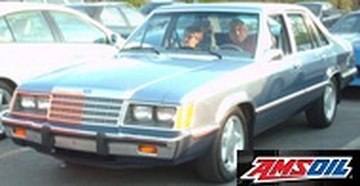
Engine Maintenance for your 1983 Ford LTD 5.0L
Maintaining an older vehicle requires consistent attention to fluid levels and component health to ensure long-term operation. For the 1983 Ford LTD equipped with a 5.0L engine, focusing on cooling system integrity and lubrication quality is essential for routine upkeep.
What coolant or antifreeze products are listed for my 1983 Ford LTD 5.0L?
The following products are listed for this vehicle: ANTPC1G-EA Passenger Car & Light Truck Antifreeze & Coolant and ANT1G-EA Low Toxicity Antifreeze and Engine Coolant.
Engine Oil Lubrication Fundamentals
The engine oil serves as the primary defense against internal friction, heat, and contaminants. For this specific 5.0L application, the database allows for the use of 5W-30 viscosity. Maintaining proper lubrication is critical for preventing premature wear on moving parts such as camshafts, bearings, and piston rings. When performing oil changes, it is important to inspect the oil for any unusual debris or discoloration, which can sometimes indicate internal engine issues.
Regularly checking the oil level using the dipstick helps ensure that the engine remains sufficiently lubricated between service intervals. A low oil level can lead to increased operating temperatures and inadequate film strength, potentially causing damage to internal components. Always refer to your owner's manual or manufacturer maintenance schedule for specific guidance on when to perform these services.
Cooling System Management
The cooling system is responsible for regulating the engine's operating temperature. Using the listed antifreeze and coolant products helps prevent both freezing in cold climates and boiling in high-temperature environments. Beyond just adding fluid, maintaining the cooling system involves checking for leaks in hoses, the radiator, and the water pump housing.
Air pockets within the cooling system can cause localized overheating, even if the coolant level appears sufficient in the reservoir. If you notice temperature fluctuations on your dashboard gauge, it may be necessary to inspect the system for air or blockages. Keeping the radiator fins clear of debris also assists in efficient heat exchange.
Monitoring Fluid Integrity
A proactive maintenance approach involves more than just replacing fluids; it requires monitoring their condition. Engine oil can become diluted by fuel or contaminated by moisture over time, which reduces its ability to protect the engine. Similarly, coolant can become acidic or lose its corrosion-inhibiting properties as it ages.
Periodically inspecting the color and clarity of your fluids can provide early warnings. For example, milky oil may indicate a coolant leak into the lubrication system, while dark, gritty coolant might suggest internal scale buildup. Following the manufacturer's recommended service intervals is the most reliable way to manage these fluid lifecycles.
Filter Maintenance Considerations
While specific filter part numbers are not provided here, it is understood that every oil change should involve a replacement of the engine oil filter. The filter is designed to capture microscopic particles and combustion byproducts that remain suspended in the oil. A clogged or restricted filter can impede oil flow or allow contaminants to recirculate through the engine.
When replacing filters, ensure that all old gaskets are removed from the previous installation to prevent double-gasketing, which can cause significant leaks. Ensuring a clean environment during filter changes helps prevent dirt from entering the lubrication passages.
General Engine Inspection Tips
In addition to fluid management, regular visual inspections of the engine bay can help identify issues before they become failures. Check for signs of weeping at gaskets, cracked vacuum lines, or frayed wiring. For a 5.0L engine, ensuring that all connections are secure and that there are no obvious signs of fluid loss is a fundamental part of ownership.
Pay close attention to the area around the valve covers and the oil pan for any evidence of seepage. Early detection of small leaks allows for more manageable repairs compared to addressing major oil or coolant losses caused by component failure.
BUYING ENGINE OIL
When you are ready to purchase lubrication for your vehicle, ensure you select a product that meets the 5W-30 viscosity requirement listed for this application. Check the packaging to confirm it is intended for use in passenger cars or light trucks as specified by your maintenance needs. Always consult your owner's manual to verify that any chosen oil meets the necessary performance standards for your specific engine configuration.